The 1950’s Fabulous Foursome!
This
is
a
fan
site
of
the
original
Diamonds
of
the
1950s.
All
hailing
from
Canada,
they
made
their
way
to
the
U.
S.,
and
with
their
songs
and
energy,
endeared
themselves
to
their fans forever.




Cuts


Album Notes
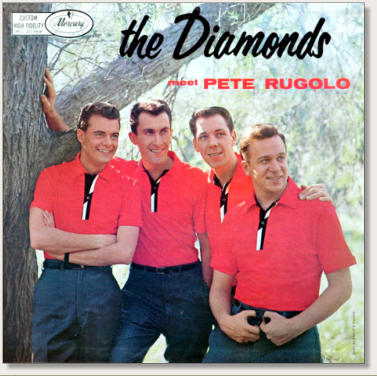
The Diamonds Meet Pete Rugolo
Released 1958
At
the
time
with
musical
styles
being
very
defined,
some
would
question
the
pairing
of
a
top
40
Do-Wop
group
with
a
jazz-master
like
Pete
Rugolo.
The
Diamonds
had
honed
their
formative
skills
on
this
style
of
music
and
the
vocal
blend
and
the
quality
of
sound
was
probably
the
best
of
all
their
recordings.
Vocal
arrangements
were
very
interesting,
and
resulted
in
a
good
quartet
sound. Add to that, some nice jazz solos by the members of Rugolo's band.
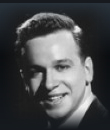
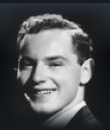
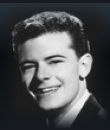
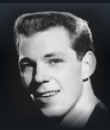
Personnel: Lead-David Somerville. Tenor-Ted Kowalski.
Baritone-Mike Douglas. Bass-Bill Reed.
(MERCURY MG20368)
Update: For the first time ever, this complete album is now available on the
CD, “The Diamonds - The Stroll - 2 CD Set” through Amazon.
1. WRAP YOUR TROUBLES IN DREAMS
2. BABY WON'T YOU PLEASE COME HOME
3. THE BEST THINGS IN LIFE ARE FREE
4. AIN'T MISBEHAVIN'
5. UNTIL THE REAL THING COMES ALONG
6. I'LL ALWAYS BE IN LOVE WITH YOU
7. WILL YOU STILL BE MINE
8. TENDERLY
9. FOR ALL WE KNOW
10. ONE FOR MY BABY
11. LULU'S BACK IN TOWN
12. YOU'LL NEVER WALK ALONG
So
you
think
you've
heard
the
Diamonds!
Sure
you
have
if
you've
heard
the
rambunctious
group
that
wailed
Li'l
Darling
and
a
frantic
succession of hits that followed.
But
hold
on.
There
is
more
flash
to
these
Diamonds
than
has
so
far
met
the
eye-or
ear.
When
they
met
up
with
orchestral
master
of
the
modern
sound,
Pete
Rugolo,
to
record
this
album,
the
Diamonds
emerged
with
a
new,
smooth,
high
polish
that
few
had
heard.
Against
the
insidious
mischief
of
these
winging,
swinging
Rugolo
arrangements,
the
Diamonds
sparkle
with
a
solid
musicality
to
excite
the
most
demanding taste of the modern jazz fan, as well as of the Diamonds' friends from the rock-and-roll idiom.
In
this
album
of
established
standards,
the
Diamonds
prove
that
they
are
an
established
contribution
to
the
forward
flow
of
solid
new
sounds in popular music. Here is a whole new set of Diamonds to excite you.

Commentary
Ted Kowalski reminisces about this recording.
“Mercury
Records
decided
it
was
time
for
us
to
do
something
other
than
rock
'n
roll.
They
set
up
a
recording
session
in
Los
Angeles
with
Peter
Rugolo
and
the
West
Coast
Jazz
groups. The
recording
session
took
some
time
(days)
and
we
used
two
microphones.
One
was
for
the
lead
and
the
other
was
for
background
voices.
When
a
voice
was
to
be
featured,
e.g.
Bill
Reed
or
myself,
we
used
the
second
microphone.
A
great
deal
of
time
was
spent
in
arrangements
by
Pete
Rugolo.
There
was
quite
a
bit
of
time
put
into
rehearsing.
The
songs
were not recorded all at one time but at various times of convenience for the quartet and musicians.
In
my
opinion I
believe
this
is
what
we
originally
started out
to
sing,
however,
at
that
time
in
order
to
"get
anywhere
in
the
business",
we
had
to
do
rock
'n
roll.
We
did
continue
to
incorporate
all
types
of
music
-
not
only
rock
'n
roll
in
our
shows.
As
it
turned
out,
we
enjoyed
doing
the rock 'n roll very much. I personally like this album”. - Ted Kowalski - Original Tenor

Commentary from Barry Worrell
“Until
1958,
what
you
probably
knew
about
the
Diamonds
was
what
you
heard
on
pop
radio
or
American
Bandstand.
Then
Mercury
released
"The
Diamonds
Meet
Pete
Rugolo".
Pete
Rugolo
was
a
very
successful
composer,
jazz
arranger
and
with
Mercury
had
a
string
of
recordings
with
the
"Meet
Rugolo"
series.
Rugolo
usually
put
together
bands
with
jazz
personnel
such
as,
Maynard
Ferguson,
Jimmy
Giuffre,
Bob
Fitzpatrick,
Howard
Roberts,
and
Shelly
Mann,
to
name
a
few.
So,
the
Diamonds
were
in
some
"heavy"
company
in
their
second
completely
new
album.
As
a
fan,
I
was
very
surprised
when
I
got
it,
not
being
privy
to
their
formative
years
of
growth.
This
was
not
unfamiliar
territory,
but
I
dare
say
the
Diamonds
invested
a
lot
of
time
and
effort
only
to
gain
very
little
from
this
project
for
I
have
never
heard any cuts from this recording on the airways. That’s not to say it never had air play.
Also
it
was
the
time
when
records
companies
were
"experimenting"
with
stereo
recordings
and
sometimes
didn't
have
their
act
together.
This
album
is
a
good
example.
If
you
ever
had
a
chance
to
compare
both
versions
in
the
same
setting,
the
mono
version
has
a
much
richer,
warmer
sound
and
the
bass
range
is
in
better
balance
with
the
over
all
recording.
I
just
wish
all
of
the
Diamonds
recordings
were
recorded
as
well.
On
the
stereo
version
the
voices
are
on
channel
A,
and
the
accompaniment
music
is
on
channel
B,
with
the
reverb
fed
with the voices, resulting in a pseudo-stereo sound.
Still it's one of my favorite Diamonds recordings.
Sample tracks from this album can be heard below.


Play
Play