
The 1950’s Fabulous Foursome!
This
is
a
fan
site
of
the
original
Diamonds
of
the
1950s.
All
hailing
from
Canada,
they
made
their
way
to
the
U.
S.,
and
with
their
songs
and
energy,
endeared
themselves
to
their fans forever.


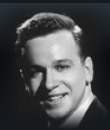
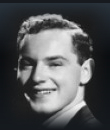
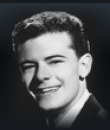
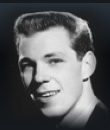



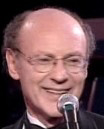
Phil
Levitt
-
Born
July
9,
1935.
Phil
was
(and
is)
a
person
who
really
sang
just
for
the
love
of
singing.
In
high
school
he
sang
with
the
choir,
boy's
ensemble,
and
a
quartet,
which
is
where
he
tasted
his
first
bit
of
glory
as
a
performer,
in
a
highly
successful
performance
at
the
graduation
ceremonies.
Little
did
he
know that he would be a member of one of the most popular singing groups of the 1950s.

The
summer
after
high
school,
Phil
and
his
best
friend
Stan
Fisher
went
to
a
vacation
spot
called
Crystal
Beach,
not
far
from
Toronto.
One
of
the
favorite
spots
where
all
the
young
people
hung
out
was
called
the
Swing
Inn.
While
Phil
and
Stan
were
walking
up
a
dark
side
street
on
their
way
back
to
the
cottage,
they
started
harmonizing
to
"I’d
Rather
Die
Young"
(The
Hilltoppers),
which
they'd
just
listened
to
around
15
times
on
the
juke
box
at
the
Swing
Inn.
All
at
once
they
heard
a
commotion
and
four
girls
came
running
from
out
of
the
darkness,
gushing
over
how
great
they
sounded
and
asking
them
to
sing
some
more.
Taken
totally
aback
they
fled,
but
harmonized
a LOT for the rest of the vacation.
That
fall
Phil
went
into
electrical
engineering
and
Stan
entered
law
school,
both
at
the
University
of
Toronto.
One
day
Phil's
class
was
out
on
the
campus
in
groups
carrying
out
a
surveying
project.
Ted
Kowalski,
whom
Phil
barely
knew,
was
in
Phil's
group.
After
just
hearing
Ted
speak,
Phil
jokingly
said
to
him
that
he
sounded
like
a
tenor
and
Ted
said
that
in
fact
he
was.
Phil's
mind
immediately
raced
back
to
memories
of
the
ovation
for
his
high
school
trio
and
of
the
girls
running
out
of
the
shadows
at
Crystal
Beach.
Phil
told
Ted
that
he
and
a
buddy
of
his
were
doing
some
harmonizing
and
asked
him
to
join
them
and
Ted
said
OK,
and
it
worked
out
well.
Phil
and
Stan
thought
Ted
was
great,
loved
the
sound,
and
had
a
lot
of
fun
singing.
Ted
mentioned
that
he
had
a
buddy
who
sang
bass
and
suggested
that
he
join
them
to
form
a
quartet.
His
name
was
Bill
Reed.
They
arranged
to
meet
Bill
at
a
local
dance
club
(The
Lebanese
Club)
where
they
had
been
doing
some
amateur
singing.
When
Bill
arrived
they
went
out
into
Phil's
beat-up
’47
Chevy
and
harmonized
on
"Down
By
The
Riverside"
and
a
few
other
songs.
It
was
love
at
first
sound.
They
thought
the
mix
was
great,
and
that
Bills
voice
was
simply
marvelous.
As
of that moment, they were a group.
After
a
while
they
had
developed
a
bit
of
a
repertoire
(around
5
songs!)
and
thought
it
was
time
to
try
out
for
a
local
C.B.C
(Canadian
Broadcasting
Corp.)
television
talent
show,
"Pick
The
Stars".
They
went
to
the
C.B.C
building
on
the
appointed
night
and
were
practicing
nervously
and
quietly
in
a
corridor
outside
the
studio.
A
guy
walked
by,
did
a
U-turn
and
came
up
to
listen.
They
started
talking
and,
when
he
learned
details
of
the
group,
especially
the
extent
of
their
repertoire;
he
told
them
that
he
didn’t
think
they
were
ready
to
do
the
show.
He
told
them
that
he
was
knowledgeable
in
music
and
that
he
worked
at
C.B.C
(sound
engineer)
and
could
get
them
into
studios
to
rehearse,
and
he
offered
to
become
their
manager.
They
accepted.
This
was
Dave
Somerville.
Shortly
after
meeting
Dave,
the
group
decided
to
go
professional.
Stan
Fisher
opted
to
stay
in
school
and
Dave
Somerville,
who,
it
turned
out,
had
a
great,
classically
trained
voice,
became
the
lead singer.
Phil
was
enjoying
the
success
of
The
Diamonds
as
they
went
thru
the
growing
stages,
however,
shortly
after
The
Diamonds
started
recording
for
Mercury,
he
had
begun
to
fall
out
of
love
with
show
business
life.
He
enjoyed
the
fact
that
The
Diamonds
had
obtained
recognition
and
he
generally
liked
the
people
in
the
business.
On
the
other
hand
he
had
become
weary
of
the
endless
stream
of
hotel
stays,
restaurant
meals,
and
airline
flights.
But
more
than
that,
he
missed
the
main
reason
for
singing,
which
had
been
The
Diamonds'
first
love
but
which
now
consisted
of
performing
the
same
songs,
night
after
night
after
night.
Never
having
really
been
infected
by
the
show
business
"bug",
Phil
now
found
that
the
fun,
the
other
main
driving
force,
was
pretty
well
gone.
Also,
thinking
practically,
it
was
hard
to
see
how
a
person
could
combine
life
on
the
road
with
marriage
and
children,
and
he
certainly
wanted
those.
He
was
also
anxious
to
return
to
school.
Even
the
enormous
success
of
"Little
Darlin’"
failed
to
change
anything
drastically.
Phil
decided
in
the
spring
of
1957
that
he
would
leave.
Mike
Douglas
replaced
Phil
as
baritone
and
that
fall
he
entered
second
year
engineering.
Phil
spent
his
working
career
as
an
electrical engineer. Now retired, he occasionally makes public appearances with the original Diamonds.
To quote Phil:
"As
a
footnote,
I
have
to
say
that,
for
me,
the
most
marvelous
thing
about
being
part
of
the
group
was
in
the
early
amateur
days
when,
alone
in
someone’s
living
room
or
basement,
we
put
together
an
arrangement
for
a
new
song.
Typically,
one
of
us
would
suggest
something,
perhaps
"I
Ran
All
the
Way
Home"
by
the
Mills
Brothers.
Then
Dave
would
simply
start
to
sing
the
melody
and
Bill,
Ted
and
I
would
search
out
our
parts
and,
generally,
within
10
to
15
minutes,
we
had
something
really
listenable.
There
were
no
microphones
and
no
instruments,
just
our
voices,
and
the
blend
was
smooth
and
the
sound
was
beautiful,
to
my
ears
anyway,
and
I
remember
wishing
the
song
and the evening could just go on forever".
See the 2020 article on Phil from his high school.
Phil Reminisces

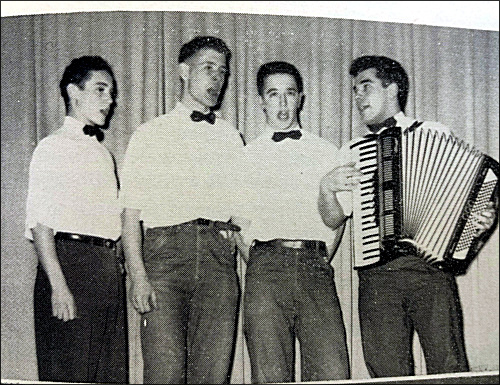
(Click photo for larger view)
Very
early
in
our
career…we
had
recorded
“Why
Do
Fools..”
and
one
or
two
more
so
we
had
had
some
pretty
good
success
and
were
proud
of
it…we
played
a
week
at
the
Alpine
Village
in
Cleveland,
a
nice
club.
We
went
there
on
the
afternoon
of
the
first
day
to
rehearse,
did
our
stuff
with
the
band
and
decided
to
stick
around
to
see
the
other
acts
go
through
their
paces.
Someone
from
the
staff
came
around
and
told
us
that
the
headliner
would
be
a
male
singer
from
San
Francisco.
We
would
perform
just
before
him.
We
were
surprised
and
miffed,
were
pretty
full
of
ourselves
because
of
the
success
of
our
records.
After
a
while
this
really
good
looking
kid
climbed
onto
the
stage,
the
band
started
playing
,
and
he
sang
“That
Old
Black
Magic”.
He
was
phenomenal,
sang
really
well
and
moved
fantastically,
and
we
were
very,
very
sheepish. After he finished we went over to him and introduced ourselves, and he said “Hi, I’m Johnny Mathis”.
During
that
same
week
our
manager,
Nat
Goodman,
set
up
a
radio
interview
with
a
DJ
called
Joe
Finan
at
KYW,
his
station.
He
was
the
#
2
DJ
in
Cleveland,
the
#1
being
Bill
Randle,
who
had
been
instrumental
in
getting
us
with
Mercury
Records.
We
went
over
there
and
were
sitting
in
the
waiting
room
when
we
got
a
call
from
Nat.
He
told
us
to
get
out
of
there
immediately
and
head
over
to
WERE
to
be
interviewed
by
Randle.
Apparently
he
had
heard
about
the
interview
with
Finan.
When
Finan
heard
about
it
he
came
storming
out
of
his
booth…furious.
We
were
totally
embarrassed
but
somehow
managed
to
troop
out
of
there...to
the
sound
of
Finan’s
shouting.
Worst
moment
of
our
lives,
poor, polite neophyte Canadian kids. We learned something that day about power politics in the music industry.
We
met
Paul
Anka
when
he
came
to
our
room
in
a
club
in
Hull,
Quebec.
The
room
was
above
the
club.
He
had
a
friend
with
him
and
pitched
his
songs
to
us.
In
our
infinite
wisdom
and
foresight
we
didn’t
think
much
of
them
and
politely
declined.
A
year
or
so
later
we
were
playing
the
Palace
Theatre
in
New
York.
He
came
to
our
room,
said
that
he
had
come
to
pitch
his
songs
to
one
of
the
big
labels,
maybe
RCA,
was
by
himself
and
had
limited
funds.
So
we
put
him
up
in
our
room,
and
the
only
sleeping
space
available
was
the
bath
tub,
so
that’s
where
he
plopped down.


